
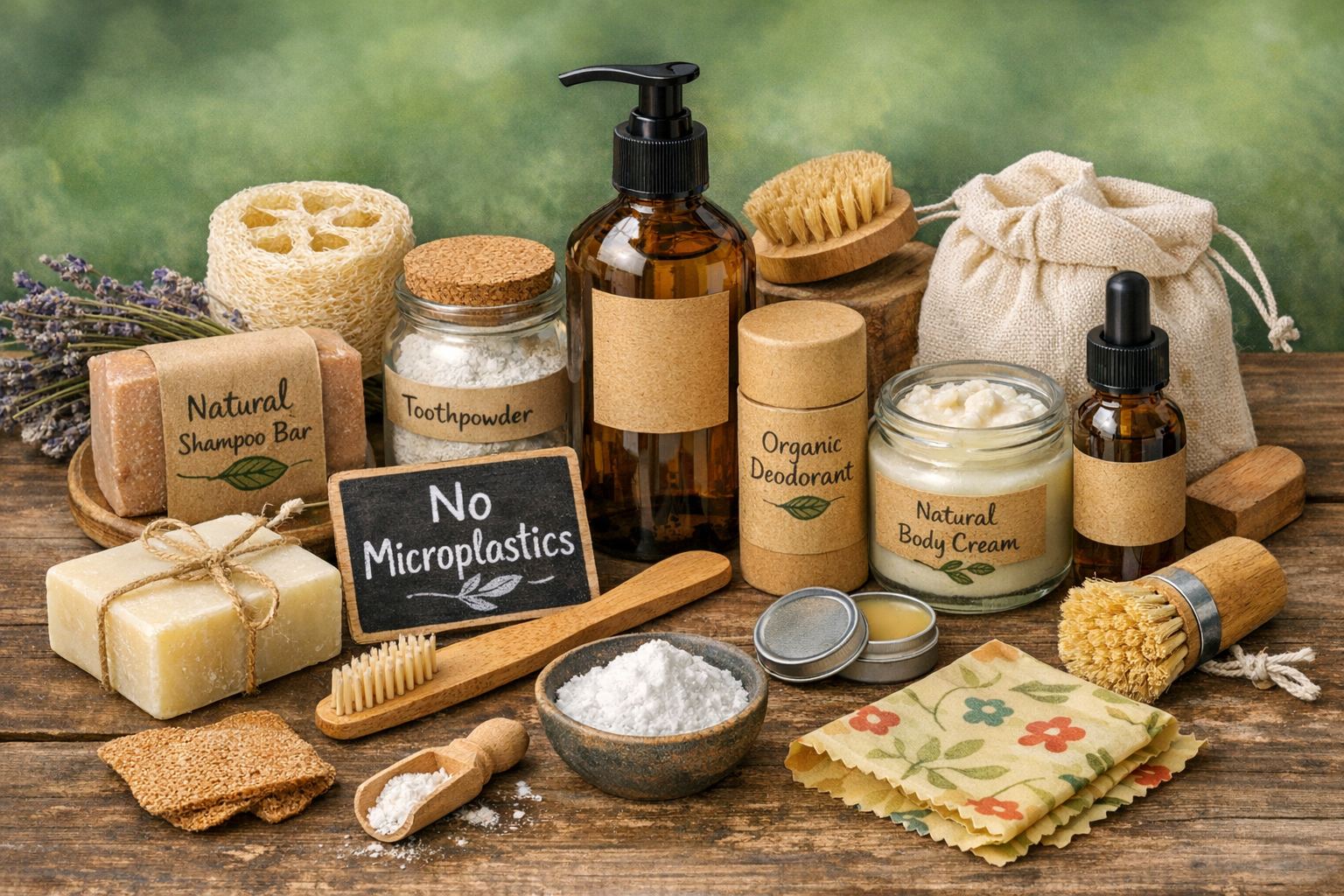

Microplastics are tiny fragments of plastic that come from the breakdown of packaging, clothing fibers, kitchenware, and even car tires. Recent reports recommend that we should avoid microplastics. They’re found in food, water, air, and household dust, and research shows they can carry chemicals like BPA, phthalates, and PFAS, which may disrupt hormones and potentially increase risks for fertility issues, cancer, and developmental problems. UC San Francisco
Scientists have detected microplastics in the brain, heart, liver, kidneys, and lungs, raising concerns about long‑term health effects. US News Health While the full impact is still being studied, experts agree that reducing exposure is both wise and achievable.
Some links are affiliate links, so I may earn from qualifying purchases through those links. As an Amazon Associate and an eBay partner, I may earn from qualifying purchases. Any prices for the Amazing Deals that I share are valid at the time of posting and may change at any time.
8 Ways to Avoid Microplastics
Avoiding microplastics starts with small, consistent choices: choosing safer materials, reducing plastic contact with food, and shifting daily habits that limit exposure. Below is a practical, guide to help you avoid microplastics and protect your long‑term health.
💧 1. Choose Tap Water Over Bottled
A major study found that people who drink bottled water ingest significantly more microplastics than those who drink tap water. Plastic packaging also increases microplastic levels in the body. NRDC
Tip: To avoid microplastics, use a high‑quality home water filter if you want extra purification. We use an under-sink water filter system by Water Drop. This system is easy to install and quite affordable. Check out some of these products below.


🔥 2. Never Microwave Plastic
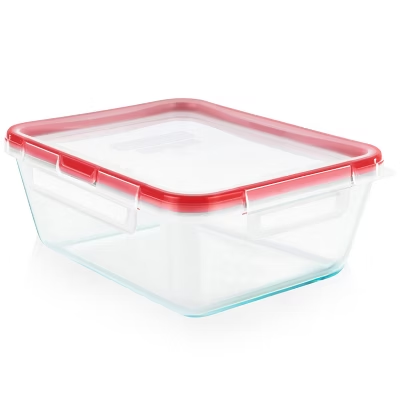
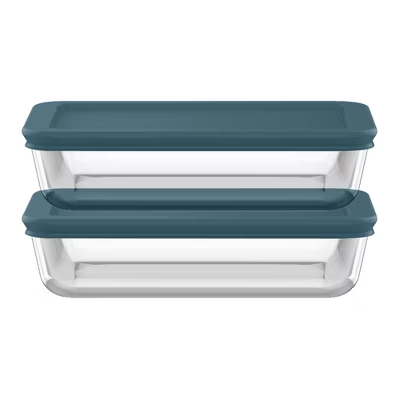
Heating plastic releases microplastics and harmful chemicals into food. Researchers strongly recommend microwaving only in glass or ceramic containers. UC San Francisco NRDC
Check out some affordable glass containers below. I typically use Pyrex containers, but Macy’s Art & Cook brand is also reputable and nontoxic.

🍽️ 3. Rethink Plastic Kitchenware
Plastic cutting boards, blenders, kettles, and even sponges can shed microplastics into food and drinks. Studies show bamboo, stainless steel, ceramic, and glass alternatives do not release microplastics. NRDC
Swap out:
- Plastic cutting boards → bamboo or wood
- Plastic bowls/containers → glass or ceramic
- Plastic sponges → steel wool or natural‑fiber brushes
Macy’s, Kohl’s, Walmart, and Target often have great sales on Pyrex and other glass food-storage containers around Black Friday. However, if you don’t want to wait until then, here are some affordable options available now.

👕 4. Choose Natural Fibers
Synthetic fabrics like polyester shed microfibers during wear and washing, contributing to indoor air and dust contamination. Homes with more synthetic textiles have higher microplastic levels in dust. NRDC
Better options: cotton, linen, bamboo, silk, wool.
🍵 5. Avoid Plastic Tea Bags
Many tea bags contain plastic that can release billions of microplastic particles into hot water. Opt for loose‑leaf tea or brands using plastic‑free bags. NRDC
Check out some affordable tea brands with plastic-free bags below.


🧼 6. Reduce Plastic in Personal Care
Some exfoliating scrubs and cosmetics historically contained microbeads (now banned in many places), but packaging and applicators can still shed microplastics. Choose products in glass or metal packaging when possible.
🧹 7. Improve Indoor Air Quality
Microplastics accumulate in dust. Regular vacuuming with a HEPA filter, wet‑dusting surfaces, and ventilating your home can reduce inhalation exposure. Emerging research shows microplastics have been found in lungs and arterial plaques, raising concerns about respiratory and cardiovascular health. AARP
Check out some affordable vacuums with HEPA filters below.


🚫 8. Limit Single‑Use Plastics
Every plastic item eventually breaks down into microplastics. Reducing single‑use plastics —bags, utensils, packaging— to avoid microplastics helps protect both your body and the environment.
🧠 Final Thoughts
You can’t eliminate microplastics entirely—they’re everywhere—but you can dramatically reduce your exposure and avoid microplastics with mindful daily habits. Start with the easiest swaps: ditch bottled water, stop microwaving plastic, and choose natural materials whenever possible. These small changes add up to meaningful protection for your health and the planet.
Thanks for reading. If you liked this post, be sure to check out my suggestions for allergy treatments.
For real-time deals from Doc, join one of the Doc’s Dealz chats: Telegram, WhatsApp, Messenger
If you love this post about how to avoid microplastics and want to keep up with Doc’s latest posts, subscribe by entering your e-mail address below.
Doc’s Amazing Deals Posts
- 4 Pro Tips to Maximize Savings During Deals Week 2026
- The Big 3 Summer Deal Events at a Glance
- 5 Places to Find Amazing Deals When Time is Tight: Your Ultimate Guide to Saving!
- 3 Tips for Finding Affordable Amazon Groceries
- 7 Reliable Egg Substitutes
Doc’s Latest Posts
- Transform Your Budget: 4 Genius Utility-Saving Hacks Every Homeowner Should Know
- Urgent Message: 8 Ways to Avoid Microplastics – What They Are & Why They Matter
- 5 Places to Find Amazing Deals When Time is Tight: Your Ultimate Guide to Saving!
- 7 Reliable Egg Substitutes
- Top 4 Allergy Treatments to Breath Easy
If you loved what you saw, please share on social media using one of the links below!
Some links are affiliate links, so I may earn from qualifying purchases through those links. As an Amazon Associate and an eBay partner, I may earn from qualifying purchases. Any prices that I share are valid at the time of posting and may change at any time.
Table of Contents
Written with the help of Microsoft Copilot to ensure clarity, accuracy, and helpful insights.